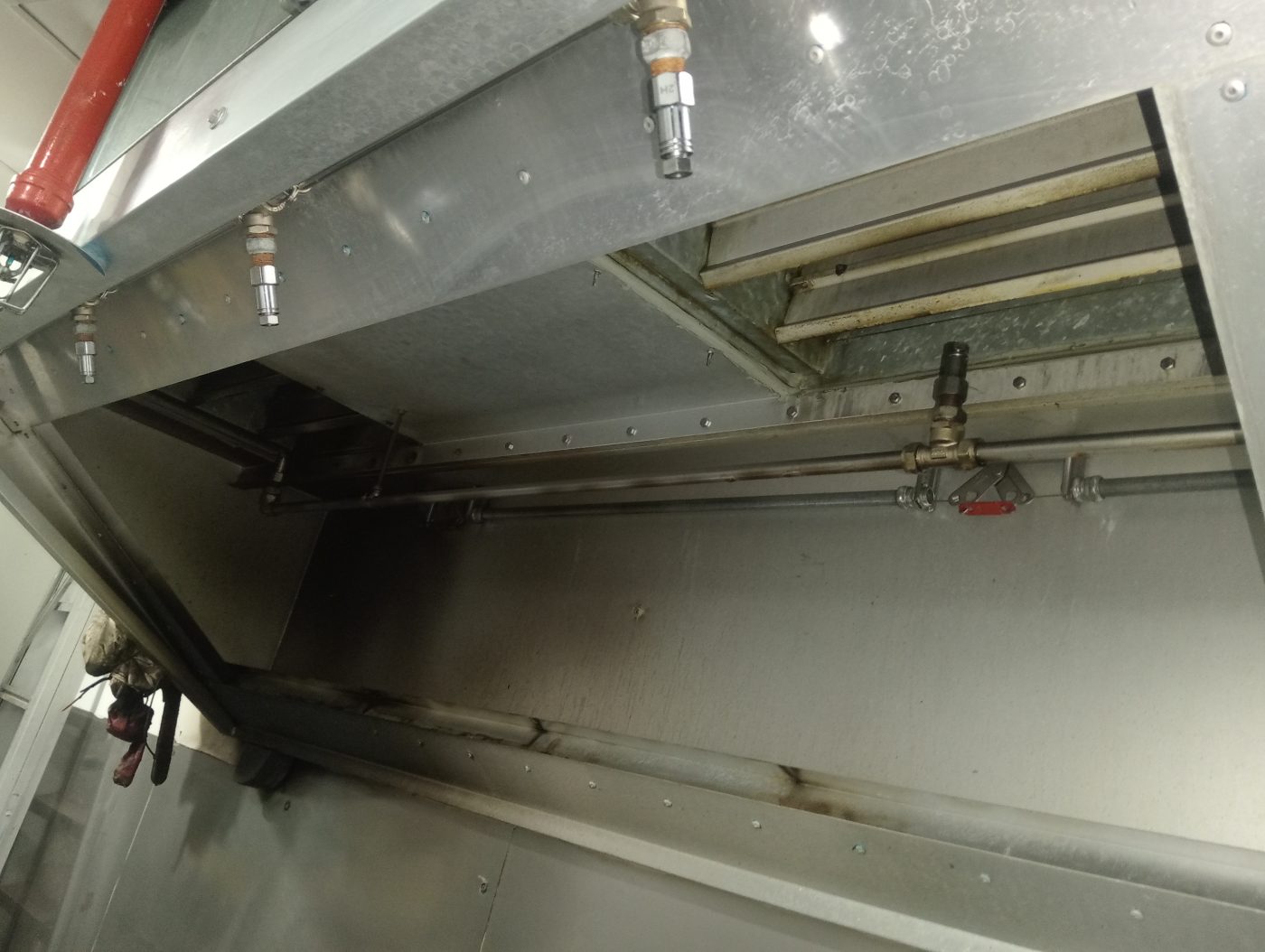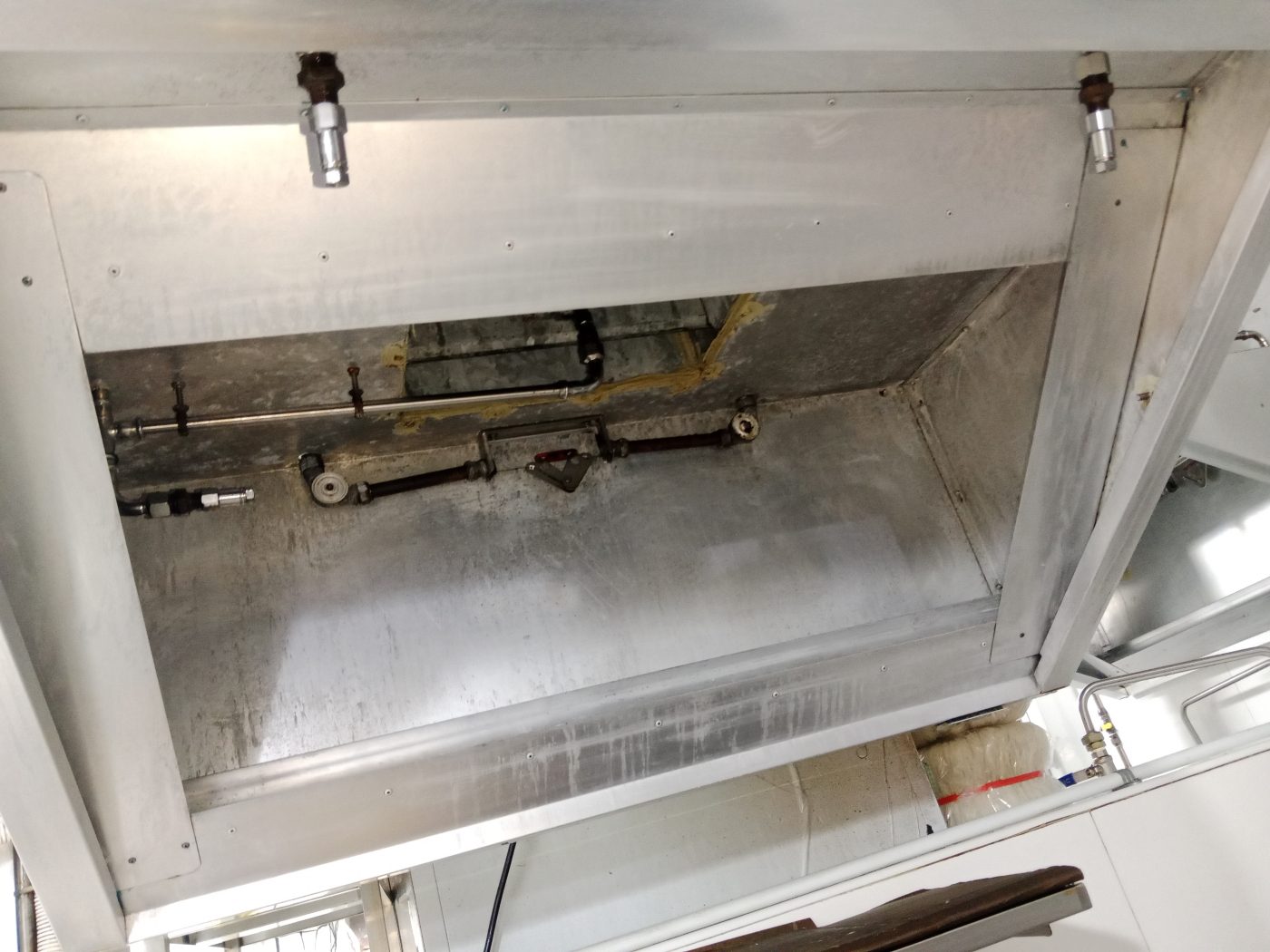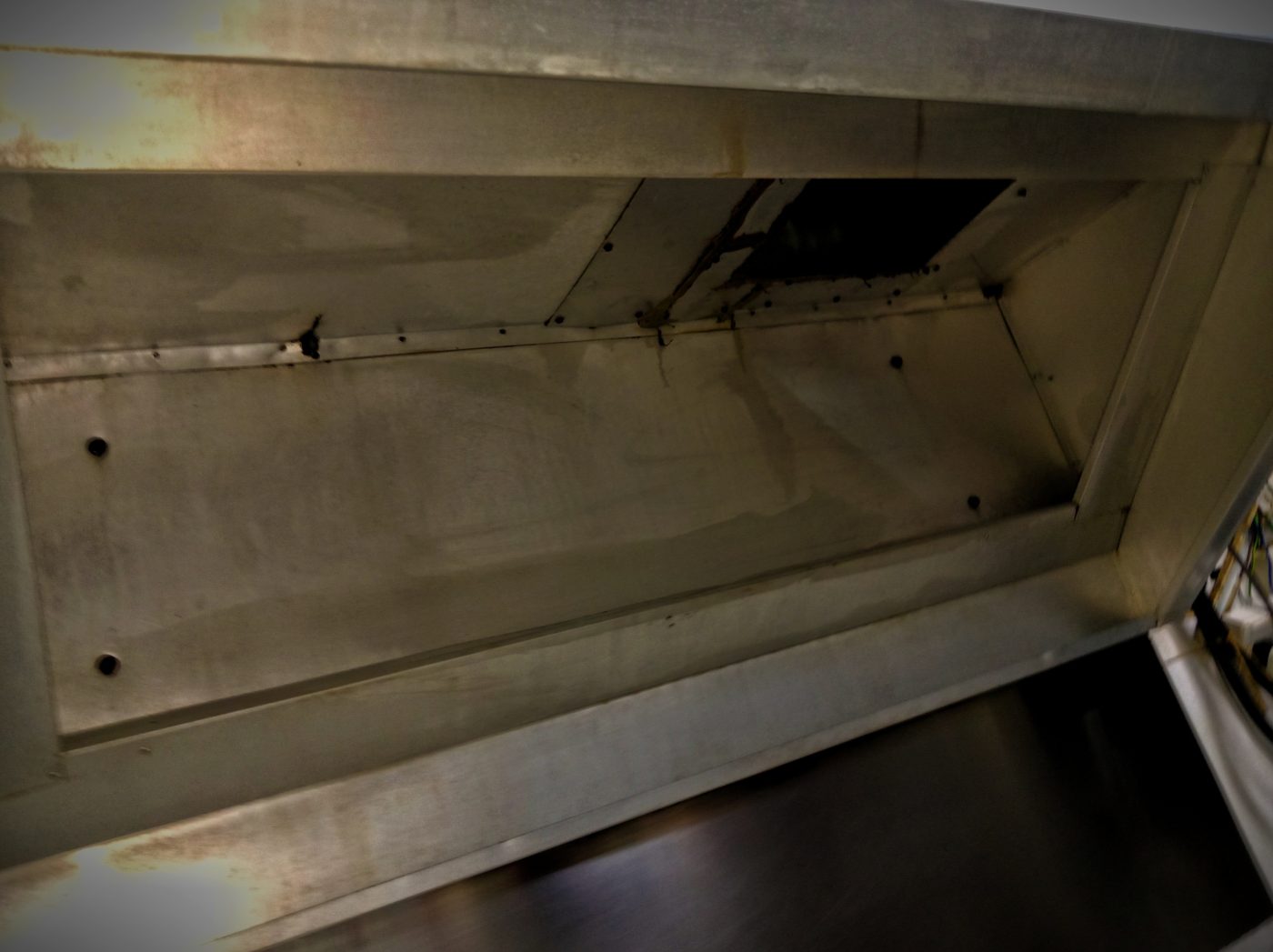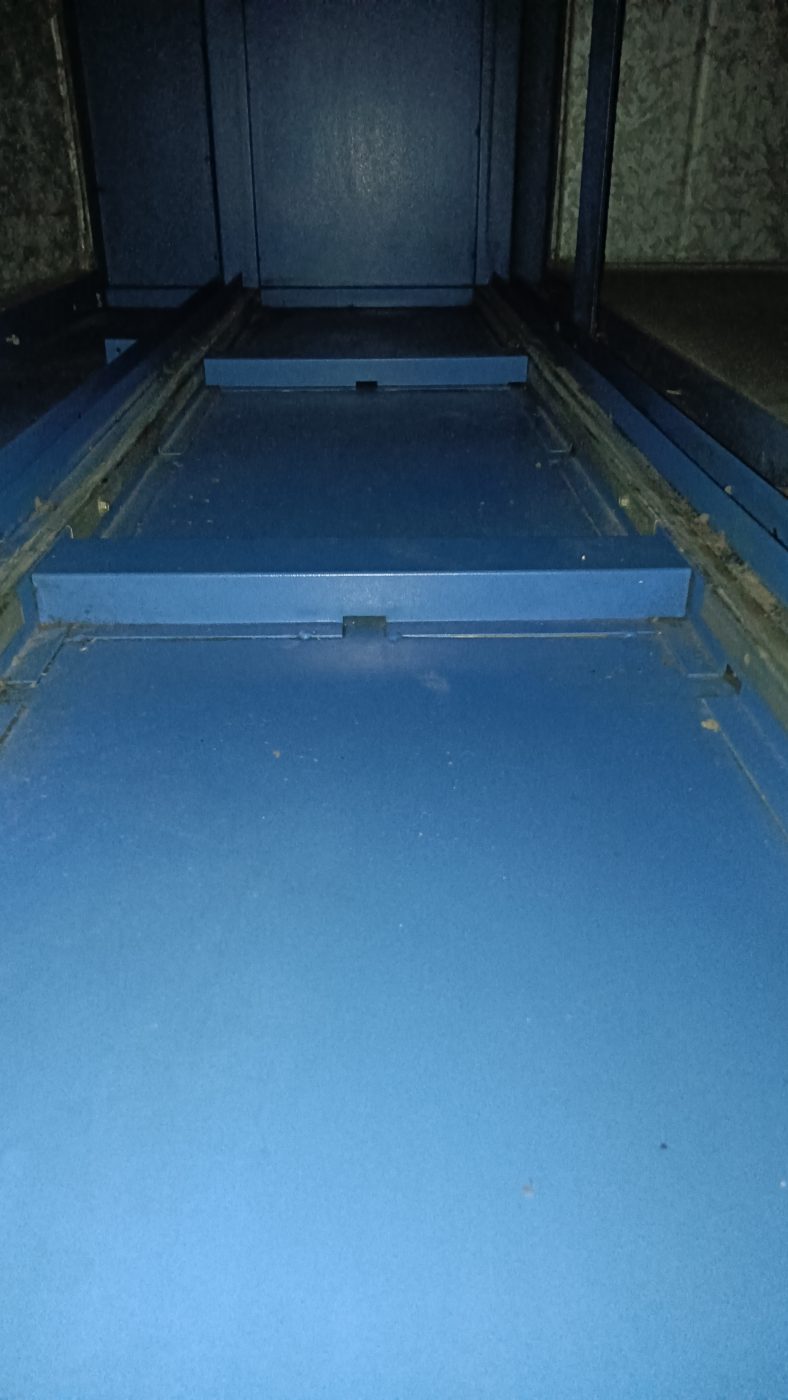
Why Exhaust Fan Motors Fail — and How We Fix Them
Motor failure is one of the most common — and most disruptive — faults we see in commercial kitchen exhaust systems. Here's what causes it and how we fix it.
Straight, practical advice from the team that designs, cleans and maintains commercial kitchen exhaust systems across Singapore. Updated regularly.
Motor failure is one of the most common — and most disruptive — faults we see in commercial kitchen exhaust systems. Here's what causes it and how we fix it.
When ductwork is fabricated in-house by the same team that designs and installs it, everything fits tighter, runs cleaner, and complies with NEA and SCDF standards from day one.
Managing kitchen exhaust costs across multiple outlets is tricky. We break down how to budget for cleaning, maintenance, repairs and compliance — from a team that does all of it in-house.
SCDF inspections catch more kitchen operators off-guard than they expect. Here's exactly what our engineers see inspectors focus on — and how to stay compliant.
Not sure what NEA really expects from your kitchen exhaust system? We break down the key compliance requirements Singapore operators need to know — in plain English.
Skipping exhaust maintenance feels like saving money — until a grease fire, NEA notice or failed inspection arrives. We break down what neglect actually costs Singapore kitchen operators.
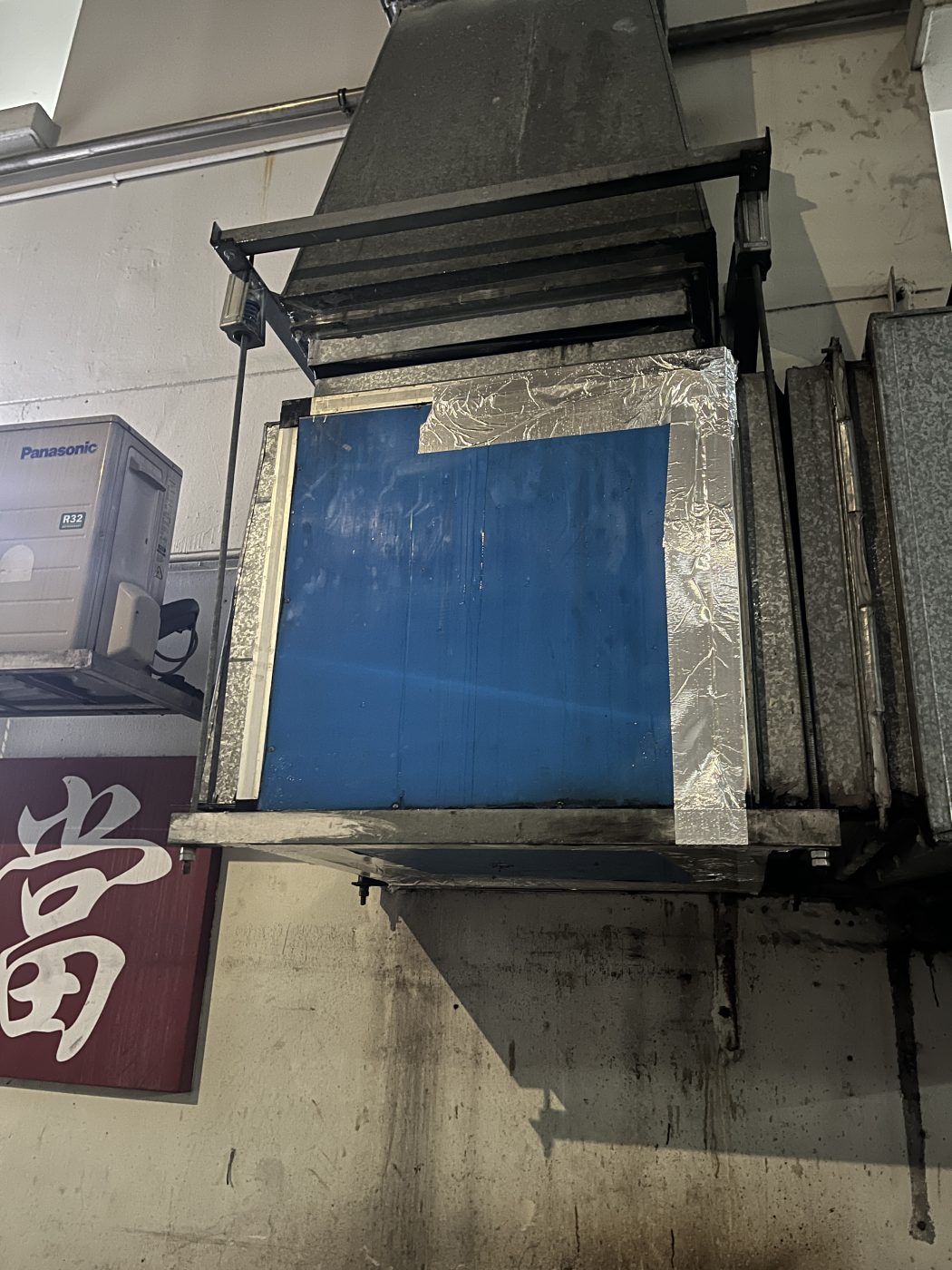
Grease build-up on your exhaust fan doesn't just create a fire risk — it silently inflates your electricity bill every single day. Here's how we explain it to our clients.
Grease fires spread fast through exhaust ducts. We explain why hood fire suppression systems matter, how they work with your ventilation, and what compliance requires.
We fabricate our own ductwork in-house — and here's why that matters for your kitchen's airflow, grease load, fire risk and compliance.
Exhaust fan stopped mid-service? Here's what to do right now — and why getting the diagnosis right the first time matters more than a quick restart.
Your fire suppression system is only as reliable as the exhaust system it's connected to. BC Air explains what actually keeps it ready to work.
Chemical degreasing or manual scraping — which actually cleans a commercial kitchen exhaust system? We break down what works, what doesn't, and why order matters.
Not all kitchen ventilation contracts are equal. Here's what we look for — and what you should insist on — before signing anything.
A look at the BC Air team assisting on a recent technical kitchen exhaust job — hands-on work from a team that designs, builds and services everything in-house.
Wondering how a kitchen exhaust hood gets sized for your cooking line? We walk you through the exact process we use on every job — airflow, overhang, compliance and all.
A kitchen exhaust clean isn't just wiping the hood. We walk you through every component that needs attention — and why skipping any one of them puts your kitchen at risk.
Grease traps and greasy ductwork are two separate problems. We break down the difference, the fire risks, and what proper maintenance looks like for each.
A breakdown never happens at a convenient time. We explain exactly why scheduled kitchen exhaust maintenance saves Singapore food operators serious money — and stress.
Poor duct routing chokes airflow, accelerates grease build-up, and creates fire risk. Here's how layout decisions shape real exhaust performance in Singapore commercial kitchens.
From duct construction to fire suppression integration, we explain what SCDF actually checks in commercial kitchen ventilation — and what we do to keep you compliant.
We explain how germicidal UV systems work inside commercial kitchen exhaust ducts — reducing grease, odour and bacteria while supporting NEA compliance in Singapore.
A kitchen exhaust clean is more than wiping down the hood. Here's exactly what we check, clean and document — and why every part matters for safety and compliance.
Your fire suppression system is only as good as the exhaust system around it. We explain what actually keeps both ready to work in a Singapore commercial kitchen.
Not all exhaust fans are built for commercial kitchen air. We break down centrifugal, axial and inline fans and explain which type suits your kitchen setup.
Sizing a kitchen exhaust hood isn't guesswork. We walk you through how we calculate airflow, overhang and grease load for every cooking line we design.
When your exhaust fan stops, every hour counts. We carry our own motors, MV fan parts and components so your kitchen is back up fast — no waiting on suppliers.
Grease fires move fast. We explain how hood suppression systems work, why maintenance matters, and what Singapore operators must keep compliant.
Before-and-after documentation isn't a nicety — it's your proof of compliance and your protection when things go wrong. Here's why we insist on it.
Variable speed drives match your exhaust fan to actual cooking demand — we explain how they work, what savings to expect, and what to watch for in Singapore kitchens.
When your exhaust fan fails mid-service, waiting days for parts isn't an option. Here's why we keep motors, drives and fan components on our own shelves.
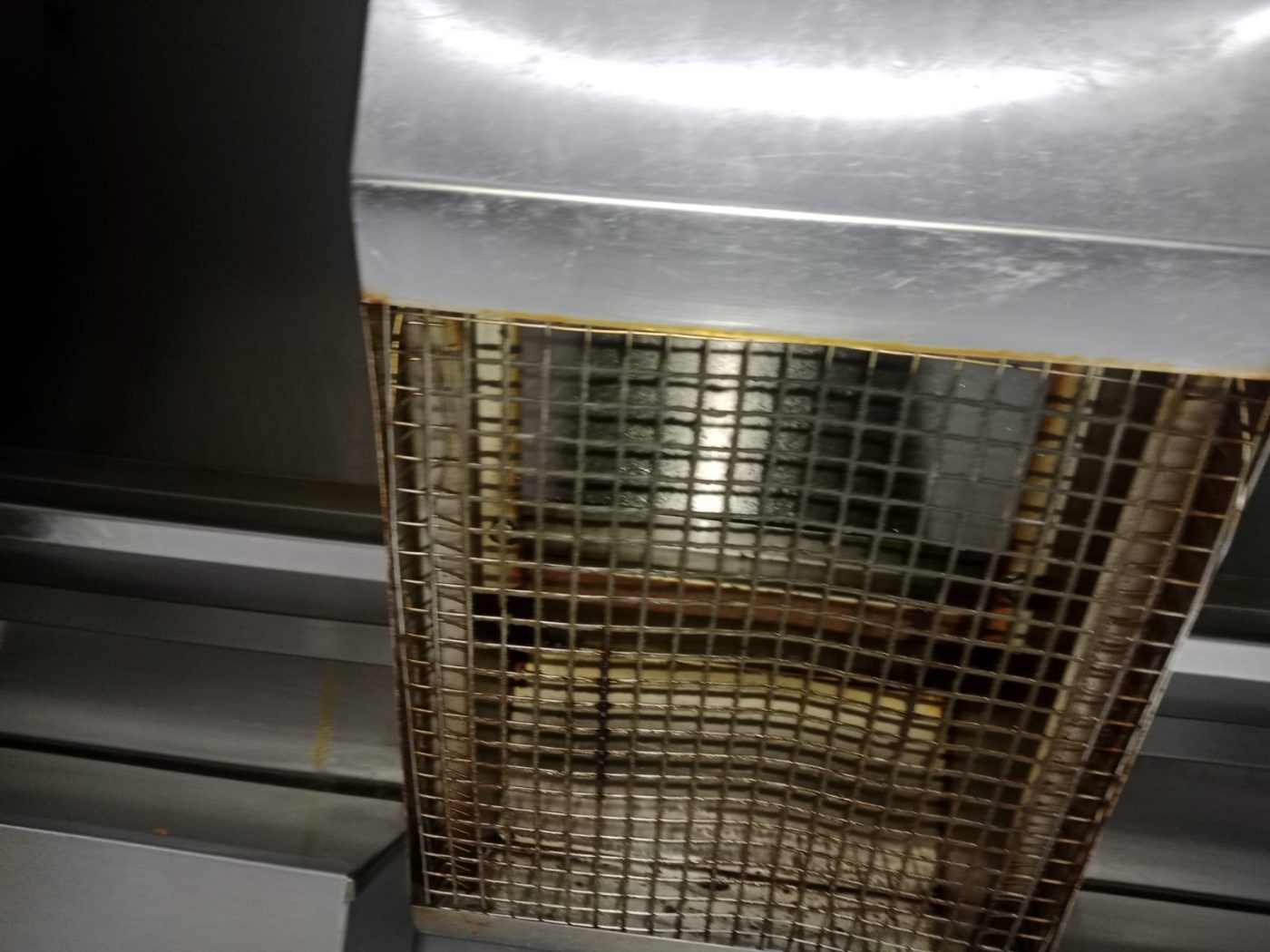
Most commercial kitchens in Singapore need exhaust cleaning every 1–3 months. Here's how we work out the right schedule for your kitchen — and why guessing is risky.
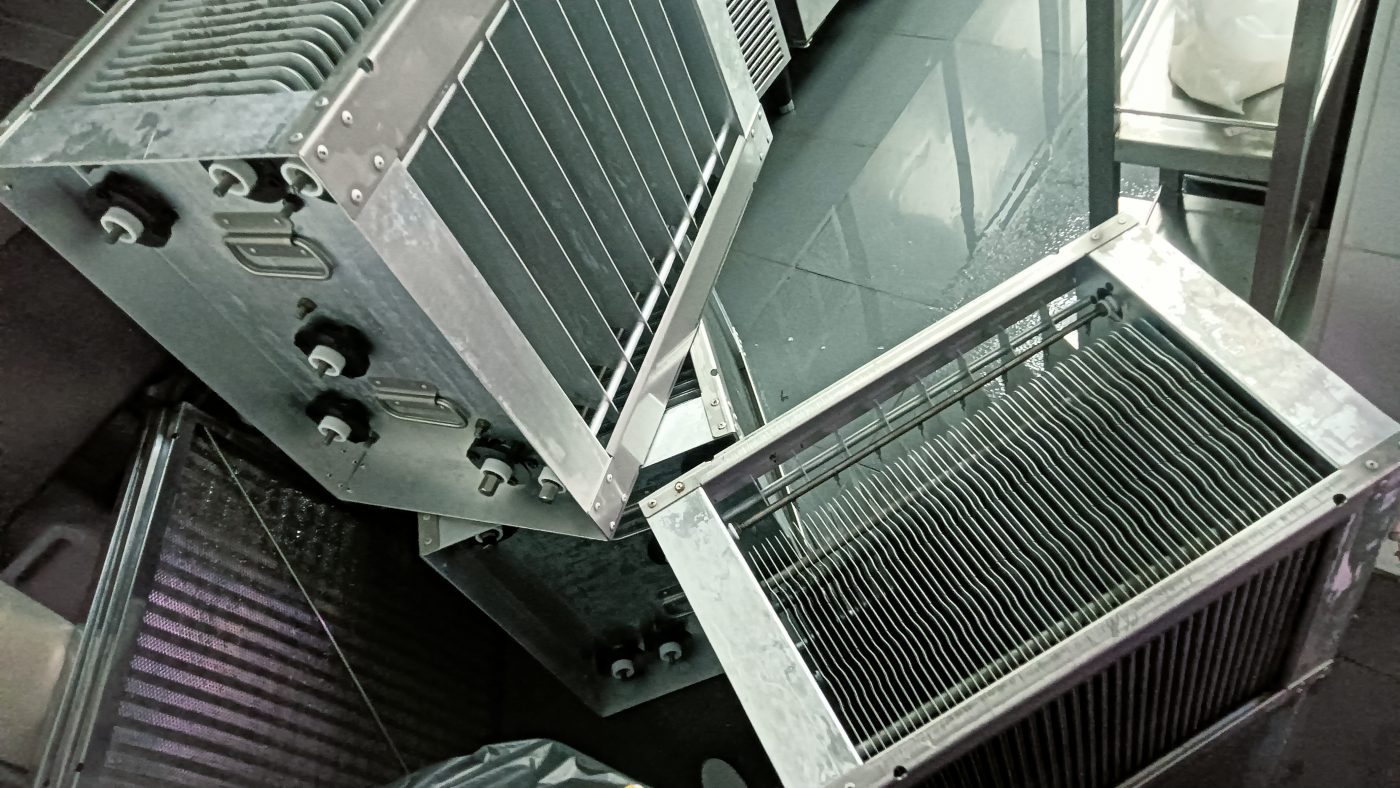
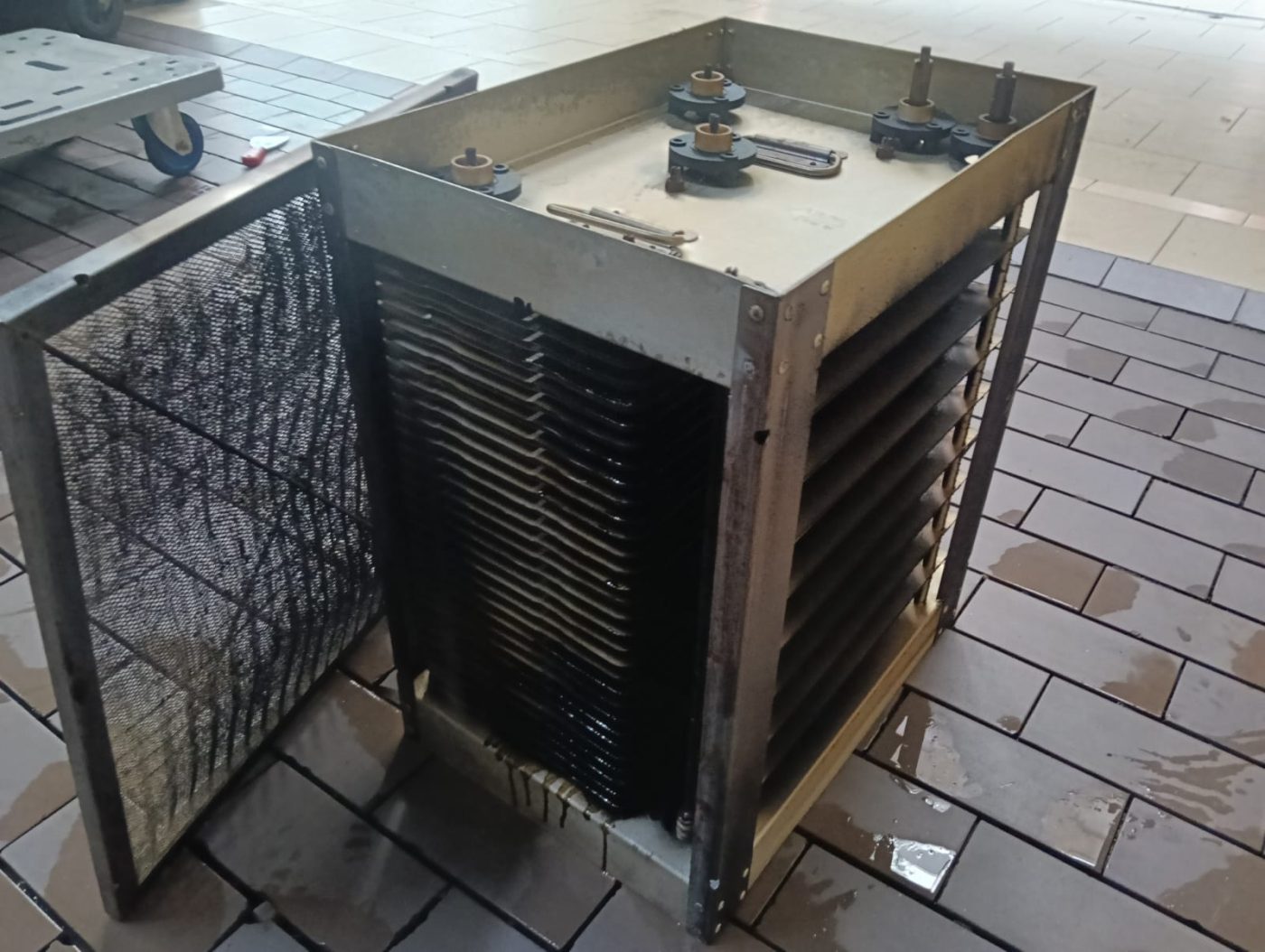
An exhaust fan failure can shut your kitchen down. Here's what usually causes it, what we check first, and how we get you cooking again fast.
A flare-up at the cooking line doesn't stay there. Here's how kitchen fires move into ductwork — and the three layers that stop them.